


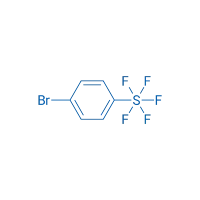
Hey there! I'm a supplier of 31729 - 66 - 5, and today I wanna talk about the disadvantages of using this chemical in industrial processes. It's important to have a clear understanding of both the good and the bad sides when it comes to industrial chemicals, so let's dive right in.
1. Toxicity Concerns
One of the major drawbacks of using 31729 - 66 - 5 in industrial processes is its potential toxicity. This chemical may pose risks to human health if not handled properly. Workers who are exposed to it on a regular basis might face health issues such as skin irritation, respiratory problems, and in severe cases, more serious long - term health effects.
For example, if the chemical is accidentally spilled or released into the air during the manufacturing process, it can be inhaled by workers. The fumes might cause coughing, shortness of breath, and irritation in the throat and lungs. Skin contact can lead to redness, itching, and even chemical burns. This means that strict safety measures need to be in place, including the use of personal protective equipment (PPE) like gloves, masks, and goggles. But even with these precautions, there's still a risk of exposure, especially in high - volume industrial settings.


2. Environmental Impact
Another big disadvantage is the environmental impact of 31729 - 66 - 5. When this chemical is released into the environment, it can have harmful effects on ecosystems. It might contaminate soil, water sources, and air.
If it gets into water bodies, it can affect aquatic life. The chemical may be toxic to fish, amphibians, and other aquatic organisms. It can disrupt the food chain and lead to a decline in biodiversity. In the soil, it can inhibit the growth of plants and microorganisms, which are essential for maintaining a healthy ecosystem. And in the air, it can contribute to air pollution, which has a negative impact on air quality and can cause respiratory problems for humans and animals alike.
3. Regulatory Hurdles
Using 31729 - 66 - 5 in industrial processes also comes with a lot of regulatory hurdles. Governments and regulatory bodies around the world have strict rules and regulations regarding the use, storage, and disposal of chemicals. This chemical is no exception.
Companies need to obtain the necessary permits and licenses to use 31729 - 66 - 5. They also have to follow strict safety and environmental regulations. This can be a time - consuming and costly process. For example, companies may need to conduct regular environmental impact assessments and safety audits. Failure to comply with these regulations can result in hefty fines and legal consequences.
4. Compatibility Issues
In industrial processes, 31729 - 66 - 5 may have compatibility issues with other chemicals and materials. This can cause problems in the manufacturing process. For instance, it might react with other chemicals in an unexpected way, leading to the formation of unwanted by - products or even causing equipment damage.
If it's used in a chemical reaction with other substances, it may not react as expected, which can affect the quality and yield of the final product. This means that companies need to carefully test the compatibility of 31729 - 66 - 5 with other chemicals before using it in large - scale production.
5. Cost - Effectiveness
When it comes to cost - effectiveness, 31729 - 66 - 5 may not always be the best option. The cost of purchasing the chemical, along with the cost of implementing safety measures and complying with regulations, can be quite high.
In addition, if there are compatibility issues or if the chemical causes problems in the manufacturing process, it can lead to increased production costs. For example, if there are frequent equipment breakdowns due to the chemical's reactivity, it will cost money to repair and replace the equipment.
Alternatives to 31729 - 66 - 5
If you're concerned about the disadvantages of using 31729 - 66 - 5, there are some alternatives available. For example, 3-Amino-3-cyclopropylpropanoic Acid can be used in some applications where 31729 - 66 - 5 is currently being used. It may have fewer toxicity and environmental impact concerns.
Another alternative is 1-Aminocyclopropyl)methanol Hydrochloride. This chemical can also serve as a substitute in certain industrial processes. And 3-Bromo-1,1-difluorocyclobutane is another option that might be more suitable in some cases.
Conclusion
While 31729 - 66 - 5 has its uses in industrial processes, it's important to be aware of its disadvantages. Toxicity, environmental impact, regulatory hurdles, compatibility issues, and cost - effectiveness are all factors that need to be considered. However, if you still think that 31729 - 66 - 5 is the right choice for your industrial needs, I'm here to help. As a supplier, I can provide you with high - quality 31729 - 66 - 5 and offer guidance on its safe and proper use. If you're interested in purchasing 31729 - 66 - 5 or want to discuss your requirements further, feel free to reach out. We can have a detailed discussion about how this chemical can fit into your industrial processes and address any concerns you may have.
References
- Chemical safety data sheets
- Environmental impact studies on industrial chemicals
- Regulatory guidelines for chemical use in industrial processes