


Boronates and Boric Acids
Your Professional Boronates and Boric Acids Supplier!
We are Aeechem, a global leader in the research, development, and production of high-value pharmaceutical intermediates and building blocks. Headquartered in Nanjing, China, with a dedicated R&D center and GMP-compliant manufacturing in India, we combine custom synthesis expertise with scalable production to empower innovative biotech and pharma companies worldwide.


Why Choose Us
Manufacturing Capability
Aeechem supports the full development process from laboratory research to commercial-scale production.From milligram samples for early-stage research to multi-ton commercial production, our integrated, GMP-compliant facilities ensure seamless scale-up and consistent quality.
Reliable Supply
The importance of timely delivery and clear communication in pharmaceutical sourcing. By combining responsive technical support with flexible production capacity, Aeechem serves customers across global markets with dependable project execution and long-term supply stability.
Advanced technology
Aeechem focuses on high-value intermediates and complex building blocks for innovative drug development. Our continuous investment in research and proprietary molecules allows customers to access a growing portfolio of advanced compounds for both R&D and commercial needs.
Esters and Salts of Boronic Acid
Boronates are esters and salts of boronic acid. Boronic acid is a compound related to boric acid in which one of the three hydroxyl groups has been replaced by either an alkyl or an aryl group. The boronic acids are derived from boron, an element found in the earth’s crust as boric oxide (B(OH)O). Boronic acids are produced when a borate salt reacts with acetic or propionic acid to form the corresponding boronic acid.
Product Specification
We offers the following product specifications:
|
Product Name |
4-Chloro-2-(4,4,5,5-tetramethyl-1,3,2-dioxaborolan-2-yl)aniline |
|
CAS Number |
1073371-77-3 |
|
Molecular Formula |
C12H17BClNO2 |
|
Molecular Weight |
253.53 |
|
SMILES Code |
CC1(C)C(C)(OB(C2=CC(Cl)=CC=C2N)O1)C |
|
MDL No. |
MFCD06795672 |
|
Product Name |
4,4,5,5-Tetramethyl-2-(3-methylbut-2-en-1-yl)-1,3,2-dioxaborolane |
|
CAS Number |
141550-13-2 |
|
Molecular Formula |
C11H21BO2 |
|
Molecular Weight |
196.09 |
|
SMILES Code |
CC(C)=CCB1OC(C)(C)C(C)(C)O1 |
|
MDL No. |
MFCD10567001 |
Common types


4-Chloro-2-(4,4,5,5-tetramethyl-1,3,2-dioxaborolan-2-yl)aniline
This compound is typically obtained as an off-white to light brown crystalline solid. Its molecular formula is C12H17BClNO2, corresponding to a molecular weight of 253.53. The melting point generally falls within the range of 135–140 °C, often with decomposition observed upon prolonged heating above this range. It is soluble in common organic solvents including dichloromethane, tetrahydrofuran, and dimethyl sulfoxide, moderately soluble in methanol and ethanol, and only sparingly soluble in water and non-polar solvents such as hexane.
Triphenyl(4-(4,4,5,5-tetramethyl-1,3,2-dioxaborolan-2-yl)benzyl)phosphonium Bromide
This substance is typically isolated as a white to pale cream crystalline powder exhibiting no perceptible odor. The melting point falls within the range of 265–270 °C, reflecting exceptional thermal stability and a highly ordered crystal lattice. The molecular formula C31H33BBrO2P corresponds to a formula weight of 559.28. The calculated density is approximately 1.27 g/cm³ under ambient conditions. It displays good solubility in polar aprotic solvents such as dimethylformamide and dimethyl sulfoxide, moderate solubility in dichloromethane and ethanol, and negligible solubility in water and aliphatic hydrocarbons.
Tert-Butyl 6-cyano-3-(4,4,5,5-tetramethyl-1,3,2-dioxaborolan-2-yl)-1H-indole-1-carboxylate
This substance is typically obtained as an off-white to pale yellow solid with no distinct odor. Its melting point is not sharply defined, with decomposition often occurring before liquefaction at elevated temperatures. The molecular formula is C20H25BN2O4, corresponding to a molecular weight of approximately 368.24. The calculated density is estimated around 1.13 g/cm³ under ambient conditions. It exhibits good solubility in common organic solvents including dichloromethane, tetrahydrofuran, ethyl acetate, and dimethyl sulfoxide, while showing limited solubility in methanol and ethanol and negligible solubility in water and aliphatic hydrocarbons.
Application
Pharmaceutical Intermediate
In drug discovery programs, this Boc-protected indole boronate ester serves as a key building block for assembling kinase inhibitors and G-protein coupled receptor modulators. The indole core is a privileged scaffold in medicinal chemistry, appearing in numerous therapeutic agents targeting oncology, neurology, and inflammation. The boronate handle enables Suzuki–Miyaura couplings with diverse aryl and heteroaryl halides to generate biaryl structures, while the cyano group can be reduced to the corresponding amine for further functionalization or converted to tetrazoles as carboxylic acid bioisosteres.
Materials Science Applications
The rigid, conjugated indole core combined with the electron-withdrawing cyano group makes this compound valuable for developing organic electronic materials, including organic light-emitting diodes and organic photovoltaics. The boronate handle enables incorporation into conjugated polymers through cross-coupling polymerization, allowing precise tuning of band gaps and charge transport properties. The Boc group can be removed to reveal the free indole NH, which can participate in hydrogen bonding and influence molecular packing in thin films.


Chemical Biology and Probe Development
In chemical biology research, this compound serves as a precursor for synthesizing fluorescent probes and bioactive molecules for studying biological pathways. The indole core can contribute to binding interactions with protein targets, while the boronate handle enables conjugation to affinity tags or fluorophores. The cyano group provides a handle for further elaboration or can serve as an infrared spectroscopic reporter for monitoring binding events.
Organic Synthesis Building Block
As a multifunctional heteroaromatic intermediate, this compound participates in diverse transformations beyond standard cross-coupling chemistry. The boronate ester engages in Chan–Lam aminations, oxidative Heck reactions, and conjugate additions. The Boc group can be removed to reveal the indole NH for N-alkylation or N-arylation reactions. The cyano group undergoes reduction, hydrolysis, and cycloaddition reactions to access diverse functional groups.
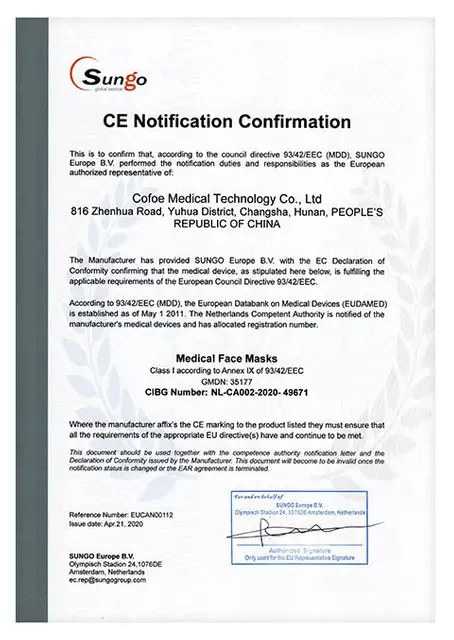
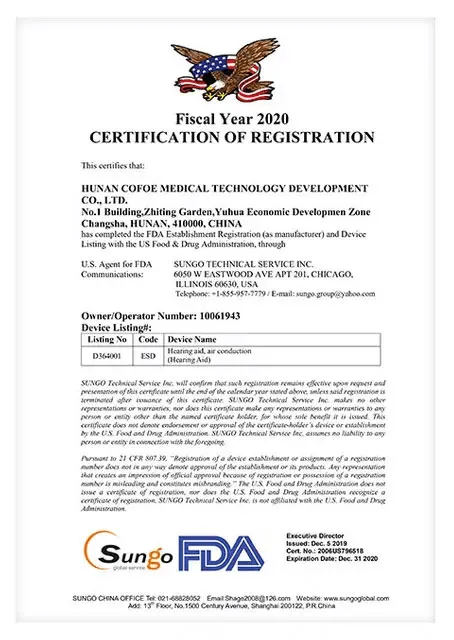
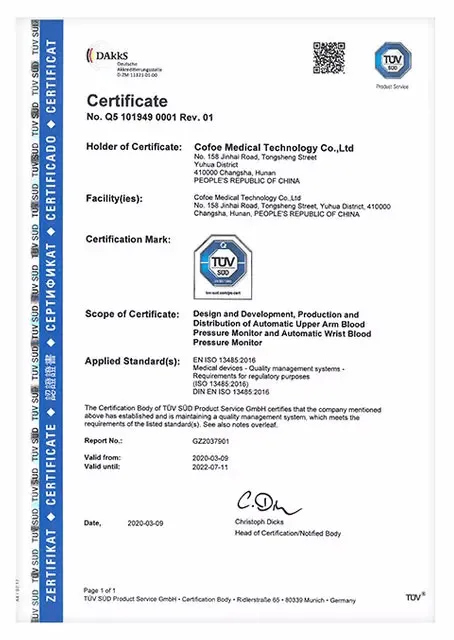
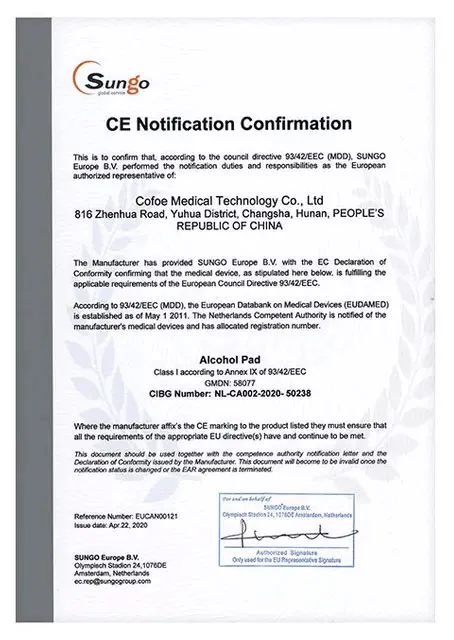
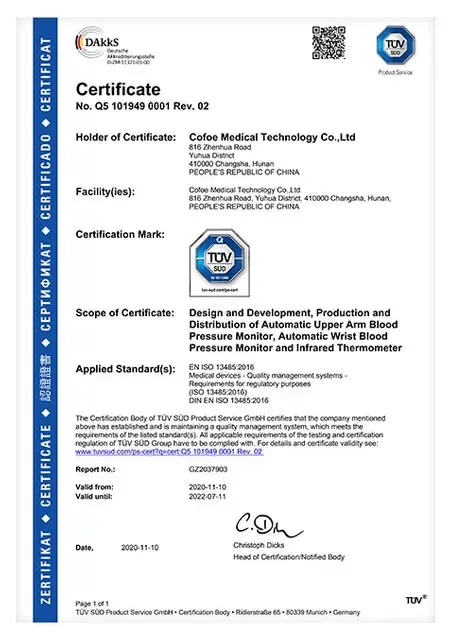
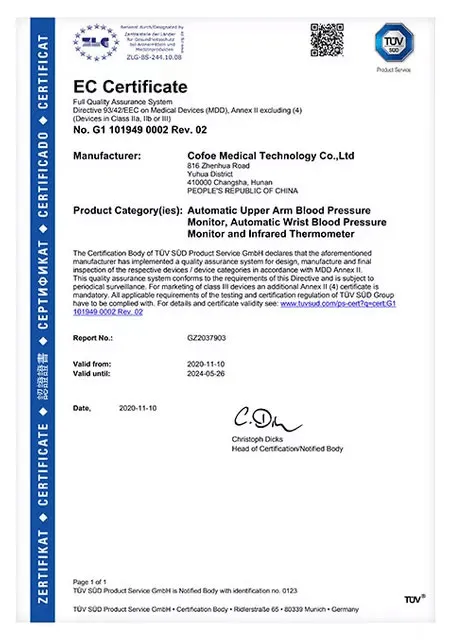
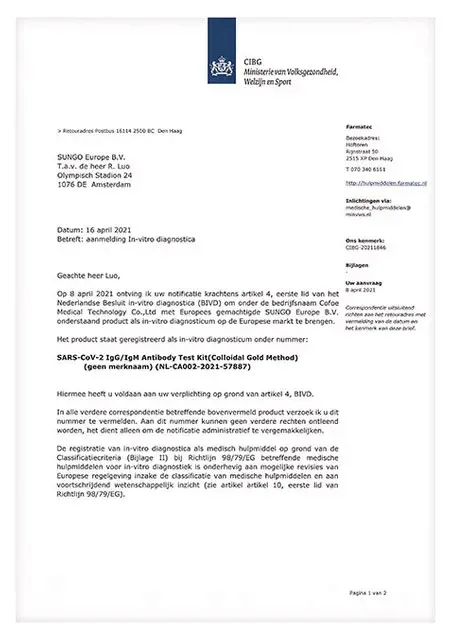
Certifications
Package & Delivery
Package: Standard export package or Custom
Delivery: By air express, by sea

FAQ
As one of the leading boronates and boric acids manufacturers and suppliers in China, we also support customized service. Please feel free to buy high quality boronates and boric acids made in China here from our factory. For quotation and free sample, contact us now.
O C O CC1 CC C F C B2OC C C C C C O2 C1, 1255945-85-7, 959904-53-1